


Latest news
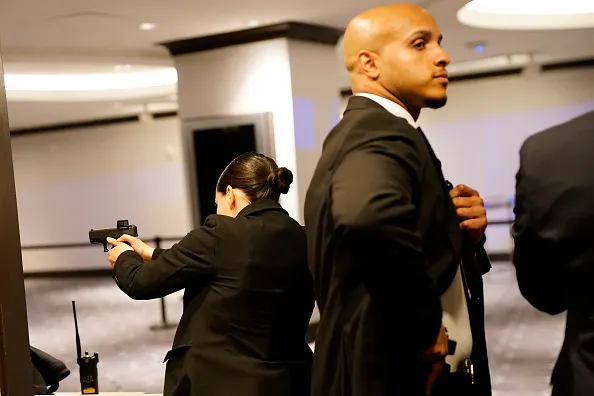
On April 25, during the White House Correspondents' Association dinner, a gunman was arrested by the Secret Service at the Washington Hilton Hotel. The incident exposed the complexity of security at large events, with experts emphasizing the value of technologies such as real-time information sharing and automated access control.
Hilton's Q1 2026 system-wide RevPAR grew 3.6% year-over-year. CEO Chris Nassetta noted that the U.S. economy is experiencing a 'C-shaped' recovery, with increased spending by middle- and low-income households driving growth across all brand tiers. Despite geopolitical uncertainties in the Middle East, the company remains optimistic about full-year RevPAR growth, forecasting an increase of 2% to 3%. Q1 adjusted EBITDA was $901 million, net income was $383 million, net room additions totaled 16,300, and the development pipeline reached 527,000 rooms. The company also launched an AI planning assistant and is collaborating with Google, OpenAI, and others to explore AI applications.

As travelers increasingly use generative AI to plan trips, hotels need to understand their performance in AI searches. Operto has launched the free GEO Consultant tool, offering AI visibility scans and optimization recommendations to help hotels boost direct bookings.
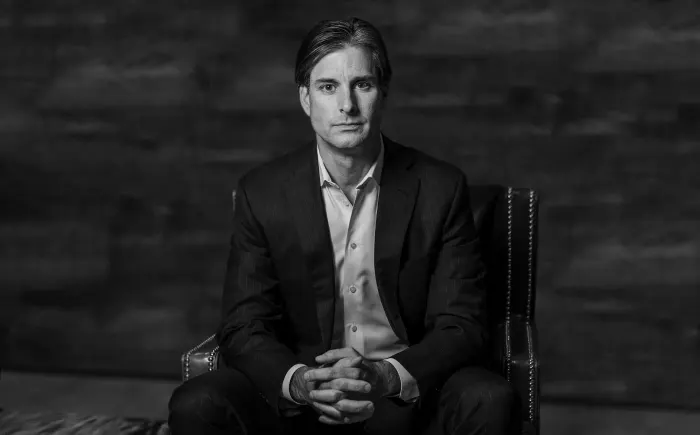
HEI Hotels & Resorts announced the promotion of long-time partner Clark Hanrattie to Chief Executive Officer and Managing Partner, effective July 1, succeeding Anthony Rutledge, who has served as CEO since 2012. Hanrattie has been with HEI for 23 years and has been involved in transactions for over 175 hotels, with a total transaction value exceeding $9 billion.

A market report released by the American Hotel and Lodging Association (AHLA) in April shows that the Los Angeles hotel industry is facing increasingly severe financial and operational pressures, with the local policy environment being cited as exacerbating the industry's difficulties. The report is based on a survey of AHLA members in the Los Angeles area, covering hotel owners, operators, and brand representatives. The survey shows that 55% of respondents have lower market confidence than last year, and 86% cite rising labor costs as the primary challenge. The Citywide Hotel Worker Minimum Wage Ordinance passed in 2025 requires hotels to pay $25 per hour starting July 1, 2026, and 88% of respondents say they have already reduced staffing or work hours as a result. Additionally, 97% of respondents believe that burdensome labor policies have reduced Los Angeles's attractiveness for hotel investment, and 80% consider the city unsuitable for long-term hotel investment. AHLA has called on the Los Angeles City Council to reconsider relevant policies.
At an international hotel forum, Radisson Hotel Group announced plans to achieve net zero emissions at 100 hotels by 2030, based on its 'Verified Net Zero Hotel' pilot project launched last year, with expansion planned this year in Norway, Denmark, Sweden, the UK, and South Africa, and over the next five years extending to Germany, Austria, and Spain's Canary Islands.
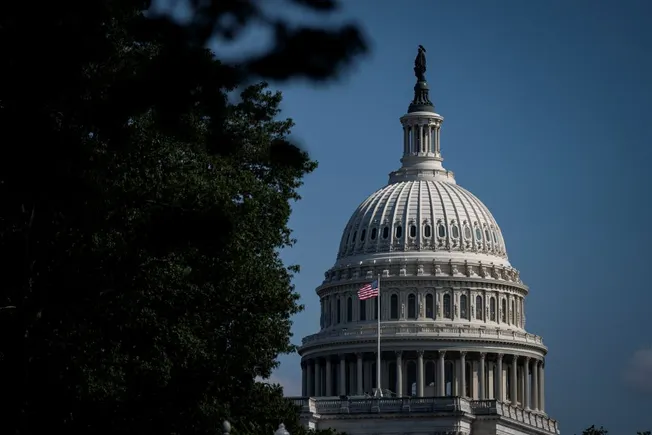
In 2026, the American Hotel & Lodging Association (AHLA) will focus on improving hotel operating conditions, revitalizing international travel demand, strengthening the workforce, and addressing industry-specific regulations. Chief Advocacy Officer Brett Horton details the association's legislative strategies at the federal, state, and local levels to tackle challenges such as rising costs, declining inbound visitors, and labor shortages.
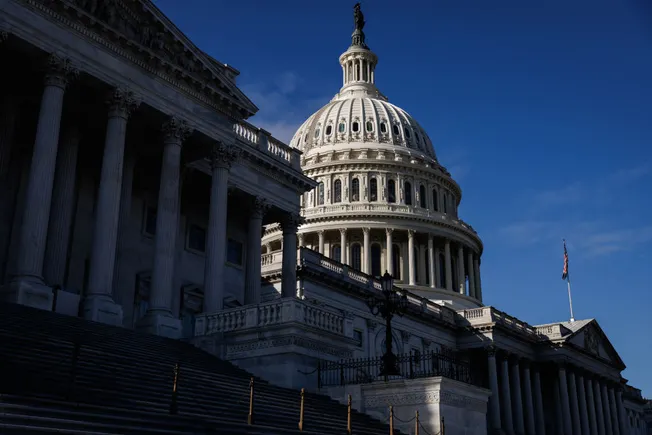
The partial U.S. government shutdown has lasted 42 days, with TSA employees working without pay, leading to long airport lines and flight cancellations. A hotel industry association survey shows 45% of consumers may adjust their travel plans, urging Congress to act immediately.
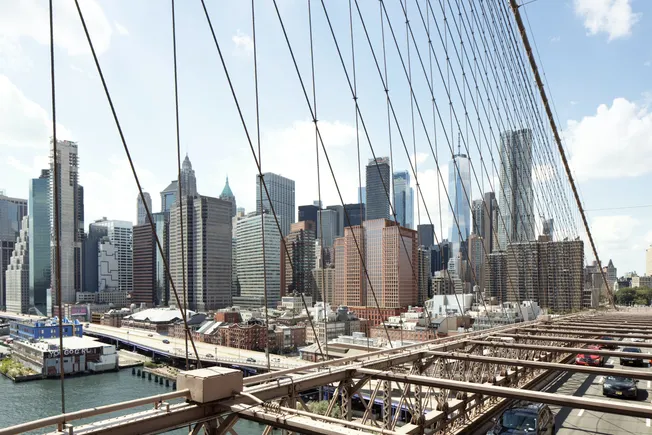
The American Hotel and Lodging Association (AHLA) submitted testimony to the New York City Council on Tuesday, expressing concerns about the FY2027 budget proposal, stating it could increase hotel costs and threaten jobs citywide. The proposal aims to raise corporate taxes and adjust pass-through entity taxes, which, combined with Mayor Mamdani's proposed 9.5% property tax increase, would pose severe challenges to the hotel industry. Meanwhile, hotel owners nationwide generally rank rising operating costs as their top concern.

Deloitte's latest report indicates that U.S. consumers still prioritize travel, but financial caution triggered by economic uncertainty is spreading across all income levels, potentially stabilizing travel metrics in 2026. The report also reveals trends such as divergence in luxury travel, the rise of younger travelers, increased attention to sustainability, and accelerated adoption of AI.