


Latest news


In 2024, the hotel industry will undergo comprehensive changes: kitchens shift toward plant-based and streamlined menus, wellness concepts extend to guest rooms and dining, AI technology aids operations and experiences, executives face the largest construction pipeline in history, and employee compensation demands rise. Meanwhile, guests' demand for experiential amenities and sustainable options is being answered by this year's hottest hotel openings. This article is Hotel Dive's summary of predictions for 2024.

According to McKinsey & Company data, the global consumer health market will reach $1.8 trillion in 2024, with a significant portion of these consumers also being travelers. In recent years, the hotel industry has continuously increased its health-related amenities to address travelers' needs for maintaining physical and mental well-being during their journeys. This article synthesizes insights from experts at Hilton, Accor, Marriott, and Canyon Ranch to outline the health travel trends worth noting in 2024 and their impact on hotel facilities.

In 2023, the hotel industry experienced strikes, tightened financing, and technological changes. Looking ahead to 2024, the application of generative AI, experiential luxury travel, prioritizing existing property renovations, reshaping labor relations, the recovery of business meetings, and legislation on rate transparency will be key forces driving the industry forward.
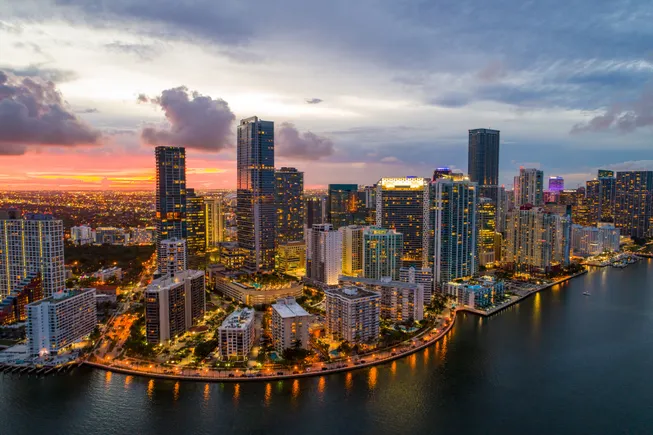
In 2023, Miami's hotel market saw year-over-year declines in RevPAR and ADR, but local experts believe that compared to the same period in 2019, these metrics have still grown significantly. The recovery of business travel, the advancement of multiple large-scale mixed-use projects, and the expansion of the luxury hotel segment are injecting new vitality into the market.
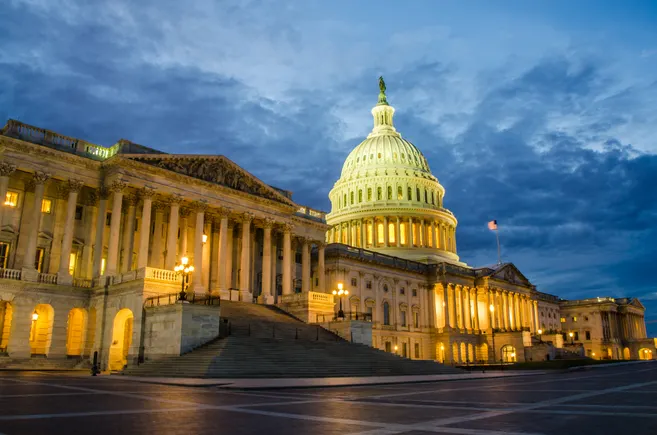
Mandatory hotel surcharges such as resort fees, facility fees, and destination fees are facing a crackdown from multi-level U.S. legislation and lawsuits. However, industry experts point out that the ambiguity in defining 'junk fees,' the flexibility of hotel evasion strategies, and internal interest conflicts within the industry make completely eliminating these fees far more complex than imagined. This article synthesizes regulatory developments, industry leader perspectives, and legal analysis to explore the future direction of hotel surcharges.
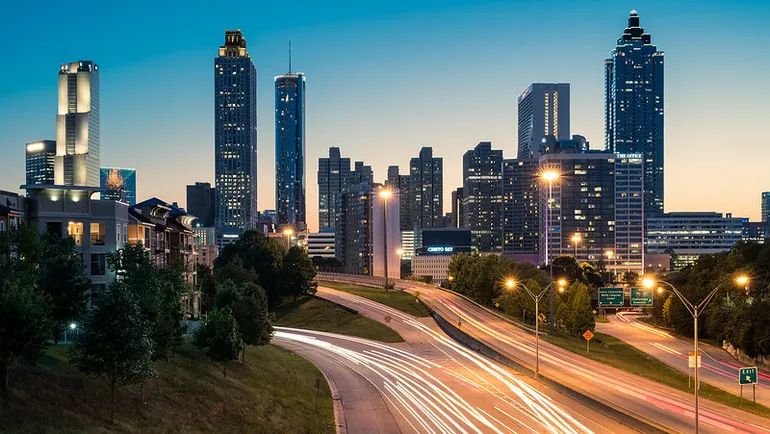
Atlanta's hotel market is experiencing a construction boom with the second-largest pipeline in the nation, yet RevPAR has not fully recovered to 2019 levels. The downtown area relies on convention business and is recovering slowly, while the airport area performs strongly. Future major events such as the 2026 World Cup will drive demand, but labor shortages and economic uncertainty pose challenges.

The Dallas-Fort Worth Metroplex has become a popular tourist destination in recent years, with a surge in business and leisure travelers driving improved hotel performance. Dallas leads the national hotel construction pipeline with 189 projects under construction, and multiple corporate relocations are boosting business demand. Experts expect the market to continue growing in 2024, with active investment activity but a lack of distressed assets.

In 2023, the hotel industry faces profound changes amid recovery: how to balance digital tools with human service, the reshaping of spaces driven by business-leisure travel, electric vehicle charging facilities becoming a new selling point, the resumption of negotiations on corporate negotiated rates, and in-room dining giving way to third-party delivery. According to a report by the American Hotel and Lodging Association (AHLA), multiple industry indicators are expected to surpass 2019 levels, but operational strategies need to adapt to the new normal.