


Latest news
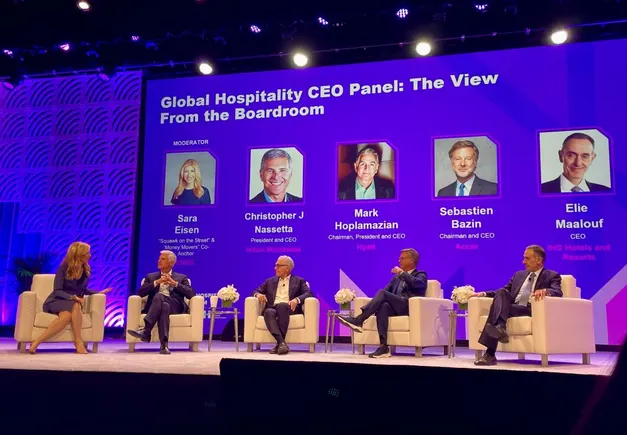
At the NYU International Hospitality Investment Forum held in New York, several hotel industry CEOs discussed the industry outlook for the remainder of 2026. Hilton CEO Chris Nassetta proposed the "C-shaped economy" hypothesis, while Stonebridge CEO Rob Smith expressed cautious optimism regarding World Cup bookings falling below expectations. Accor CEO Sébastien Bazin predicted that AI will replace approximately one-third to 40% of corporate jobs, whereas Hyatt CEO Mark Hoplamazian believes the impact will be smaller and emphasized that AI should enhance rather than replace humanized service.
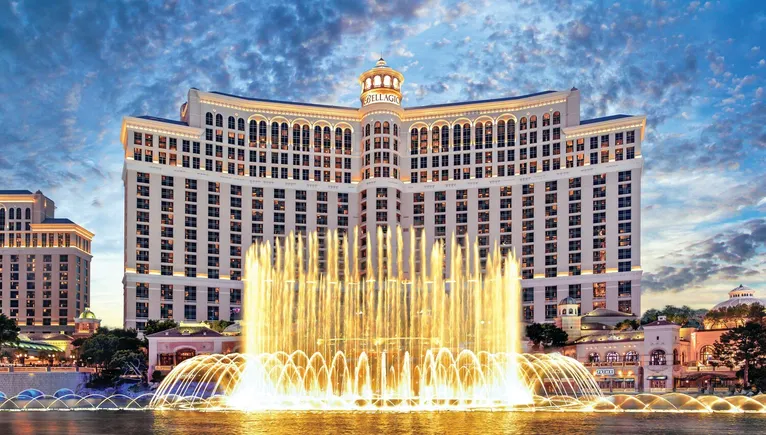
MGM Resorts International confirmed on Monday that it had received a privatization acquisition offer from People Incorporated, the media group led by Barry Diller. The deal values MGM at over $18 billion, with a cash offer of $48.30 per share, representing a 24% premium over the stock price on May 29. People Inc. currently holds 26.1% of MGM's common shares, and if the transaction is completed, its stake would slightly exceed 50.1%.
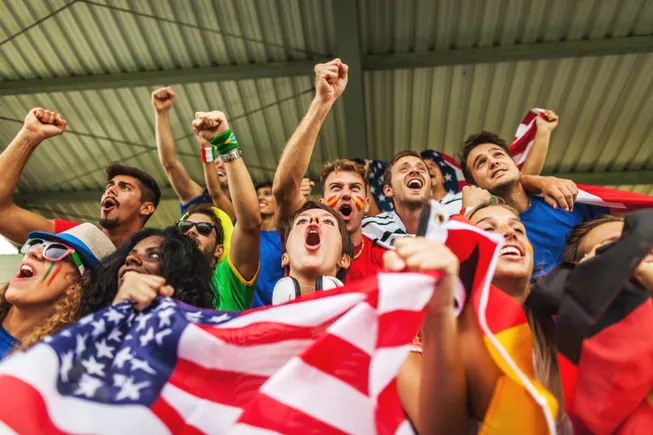
Just weeks before the FIFA World Cup kicks off, the U.S. hotel industry is cautiously optimistic about the event's boost. Early forecasts show bookings below expectations, but host cities are still poised for significant RevPAR growth.

As the busy travel season approaches, the hospitality industry faces the dual pressures of rising costs and unstable demand. AI is seen as key to improving profitability, but most hotels' IT infrastructure is insufficient to support it. The article points out that hotels need to start with data integration and shift to a multi-cloud architecture, using efficient computing power to drive applications such as demand forecasting, labor optimization, and dynamic pricing, while also meeting data sovereignty and privacy compliance requirements.
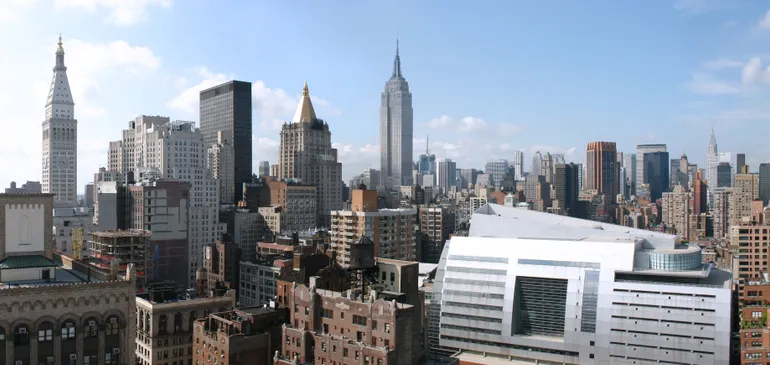
Unionized hotel workers in New York City voted Thursday to approve a new contract with the Hotel Association, covering about 27,000 employees, with the largest wage increases in union history, along with new housing and childcare funds, lifting the threat of a strike.

A survey by Mews of more than 500 hotel properties worldwide shows that AI has become standard in hotel operations, but hotel operators have a clear understanding of AI's boundaries: 59% believe front desk and check-in should be human-led. Hotels with formal AI policies have a trust level of 92%, while those without policies have only 49%.

The Los Angeles City Council voted on Tuesday to delay the implementation of the $30 per hour minimum wage under the Citywide Hotel Worker Minimum Wage Ordinance, also known as the "Olympic Wage" ordinance, by two years to 2030. The ordinance was originally set to take effect on July 1, 2028, just before the 2028 Los Angeles Summer Olympics. Hotels are still required to pay workers $25 per hour starting this July, with annual increases thereafter until 2030. The vote was 11 in favor and 4 against.

The Los Angeles City Council voted 9 to 6 to advance a motion that could delay the implementation of the citywide minimum wage order for hotel workers. The order was originally set to raise the minimum hourly wage to $30 by 2028, but the new proposal suggests postponing it to 2030. The hotel owners' association expressed support, while worker representatives strongly opposed it.
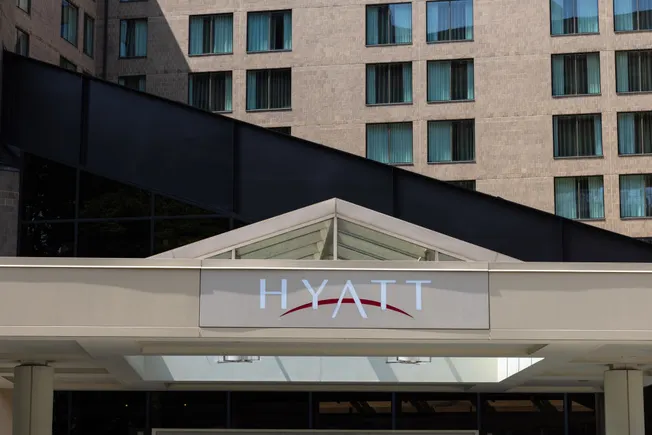
Hyatt Hotels Corporation announced on Wednesday the appointment of veteran executive Adam Rohman as head of the Americas, effective July 1. Rohman will succeed Pete Sears, who is retiring after nearly 40 years with Hyatt. Rohman previously served as Senior Vice President of Investor Relations, Global Financial Planning and Analysis, and Treasurer.
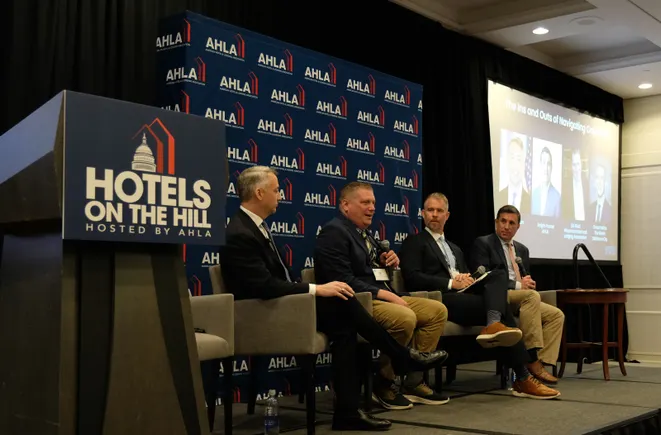
The American Hotel & Lodging Association (AHLA) held its annual lobbying event in Washington, attracting over 300 industry participants from 46 states. Key demands include: raising the H-2B seasonal visa cap (currently 66,000 per year, unchanged since the 1990s), passing the "Certified Seasonal Employer" proposal, restoring Brand USA marketing funds (cut by 80% in 2025), and advancing the American Franchise Act. Industry leaders warned that without timely action, the potential for inbound tourism during the World Cup and Olympics will remain unrealized.