


Latest news

With the share of the US population aged 65 and over projected to rise to 23% by 2060, the accessibility challenges facing the hotel industry are increasingly prominent. Experts say ADA compliance is only the minimum standard, and a true accessibility experience needs to cover booking, guest rooms, bathrooms, and entire property systems. This article brings together insights from multiple industry experts, exploring how hotels can seize the high-spending, high-loyalty older traveler segment through low-cost improvements and staff training.
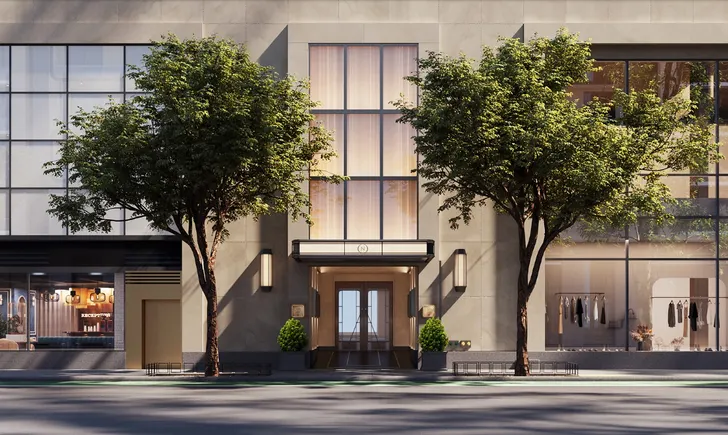
This week, the hotel industry saw several major developments: European hotel operator Fattal Hotel Group completed its first acquisition in the United States; Hilton partnered with Reuben Brothers to bring W South Beach under the Waldorf Astoria brand; Amsterdam-based software company Mews announced a 15% workforce reduction to advance its AI-native strategy. Additionally, Choice Hotels added CVS Health executive Ali Keshavarz to its board, Aspen Hospitality launched a new luxury brand called Nell Hotels, Ascendant Capital Partners acquired an eight-hotel portfolio in the Southeast, and Beechwood Hospitality completed a merger with MMI Hotel Group.
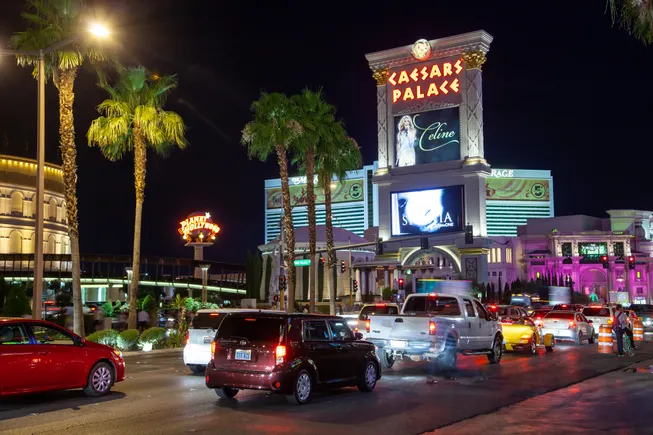
Fertitta Entertainment is advancing its acquisition of Caesars Entertainment, with two executives passing suitability review by the Nevada Gaming Commission, but the deal still faces obstacles including antitrust issues, shareholder approval, and competition from Icahn.
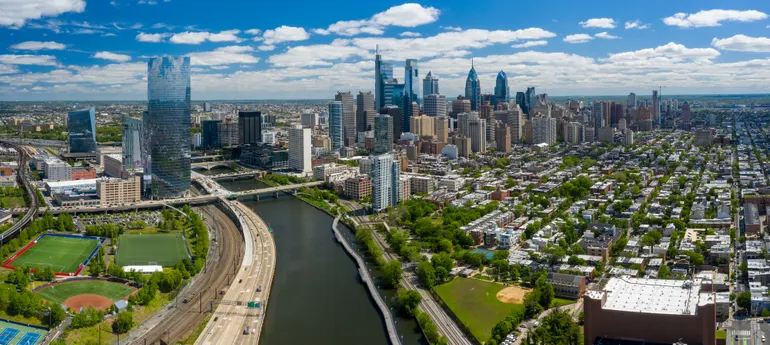
On July 1, the Philadelphia Court of Common Pleas issued an additional $42.4 million judgment against Tutor Perini, finding multiple material breaches during construction of the W and Element dual-brand hotel in Philadelphia. Earlier in April, the company had been ordered to pay approximately $174.6 million for concrete defect delays on the same project. Tutor Perini stated it will appeal.
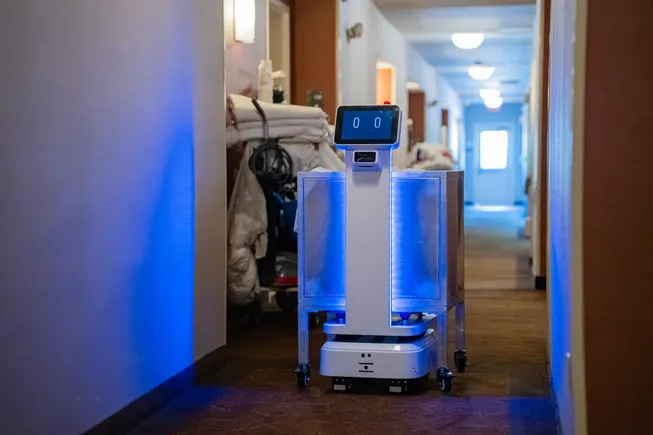
In the first half of 2026, the hospitality industry is accelerating its adoption of emerging technologies, from AI-driven room service to smart energy management, which are profoundly transforming operational efficiency and guest experiences. This article outlines 6 key solutions and industry insights.

Mews cuts 15% of staff, pivoting to an AI-native strategy. The founder stated the company is in a 'very strong position,' and the layoffs are a proactive decision aimed at adapting to the fundamental changes AI brings to the hotel industry's economic model.

CoStar data shows that hotel RevPAR growth in World Cup host cities has exceeded the pre-tournament forecast of 13%, with an average increase "well above 20%" from June 11 to 27. Cities such as Miami and San Francisco performed strongly, but overall occupancy remained stable, with growth primarily driven by room rates.
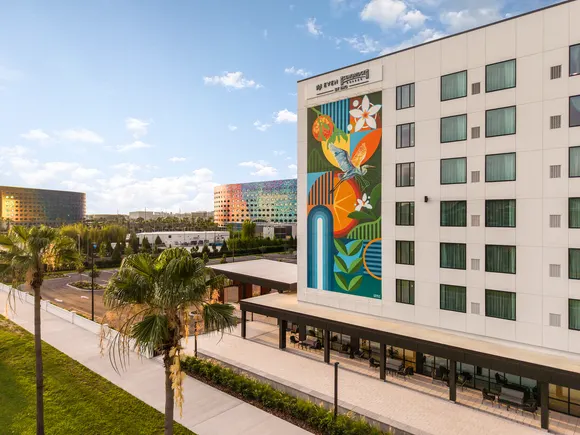
IHG has opened a dual-brand hotel in Orlando, Florida, featuring Even Hotel and Staybridge Suites with 288 rooms, adjacent to the Universal Orlando Resort. Developed in partnership with Japan's Daiwa House Group, the hotel aims to combine two complementary lodging experiences and further expand IHG's presence in the Orlando market.
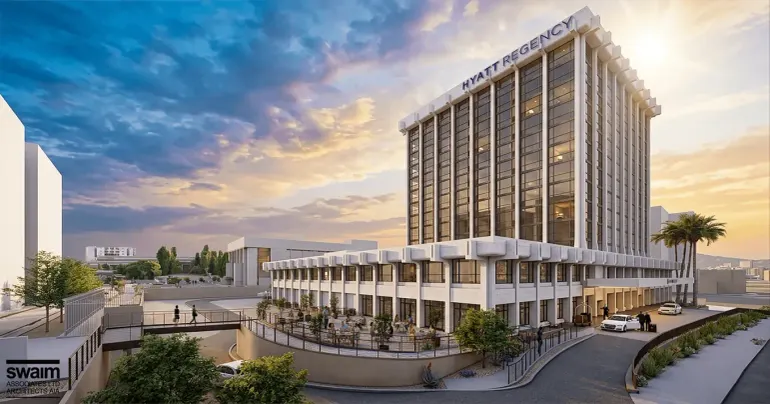
Hyatt Hotels Corporation plans to open its first Hyatt Regency hotel in downtown Tucson by the end of 2027. The hotel, converted from the former Braniff Place property, will offer 291 guest rooms and 22,000 square feet of meeting space, strengthening its presence in Southern Arizona.

In response to travelers' evolving demands for flexibility and personalized experiences in loyalty programs, Laasie leverages AI and behavioral data to build a dual-track reward system for independent hotels, offering a choice between instant rewards and point accumulation to boost direct booking rates and customer retention.