


Operations
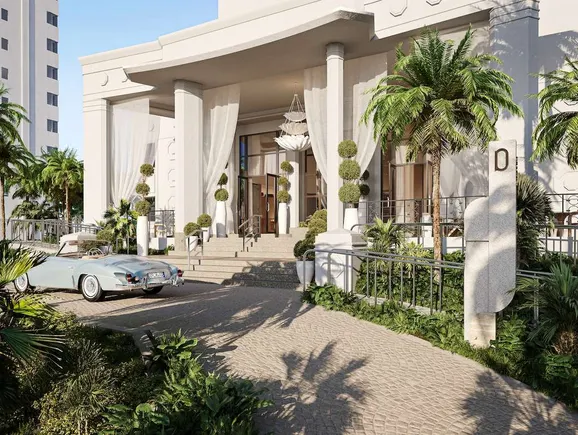
This week's hotel industry updates cover the reopening and renovation of several iconic properties, as well as progress in AI technology applications within the hotel sector. Delano Miami Beach welcomes guests again after being closed for over six years; Austin's historic Driskill Hotel completes a full renovation; Under Canvas expands into New Hampshire for the first time; the AI Hotel Alliance announces a 22-member advisory board; Hilton's first Curio Collection property in Hawaii begins accepting reservations.
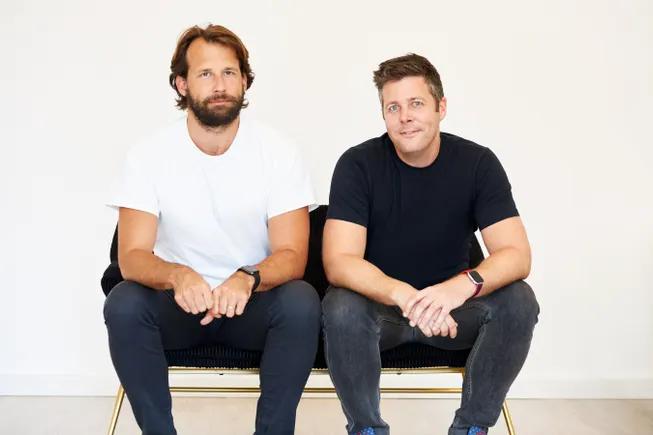
Against the backdrop of the hospitality industry gradually shifting toward acceptance of AI, Mews founder Richard Valtr believes that AI's value should not be limited to efficiency and revenue, but should serve as a tool to deepen guest connections. Citing Mews survey data, he pointed out that 59% of hotel operators insist that experiences such as front desk and check-in should be human-led, while AI can learn customer needs through 'subtle signals,' assisting rather than replacing human service.

Jeff Bzdawka, CEO of Hapi, pointed out that the hospitality industry is often hindered in AI applications by fragmented data. He suggests that hotels start from business challenges, first achieve system interconnection and data standardization, and then gradually introduce AI to truly realize personalized services and enhanced experiences.
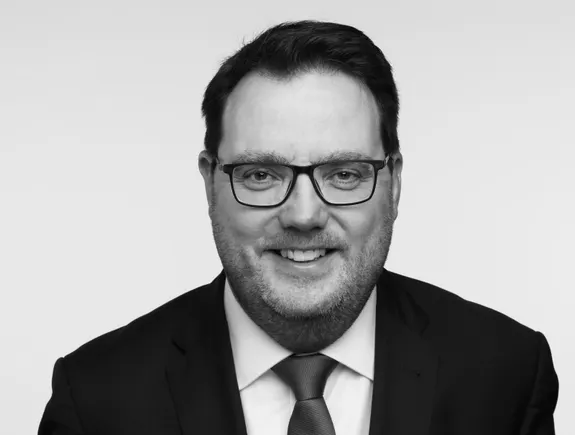
Yotel announced on Wednesday the appointment of Paul Harnedy as Chief Operating Officer, along with the promotions of Michael Whitehead and Ryan Dance to Senior Vice Presidents. Harnedy will oversee global hotel operations and commercial strategy, Whitehead will lead global human resources, and Dance will manage commercial strategy. These moves are aimed at supporting the company's five-year growth plan, targeting an increase in hotel count from 23 to 100 by 2031.
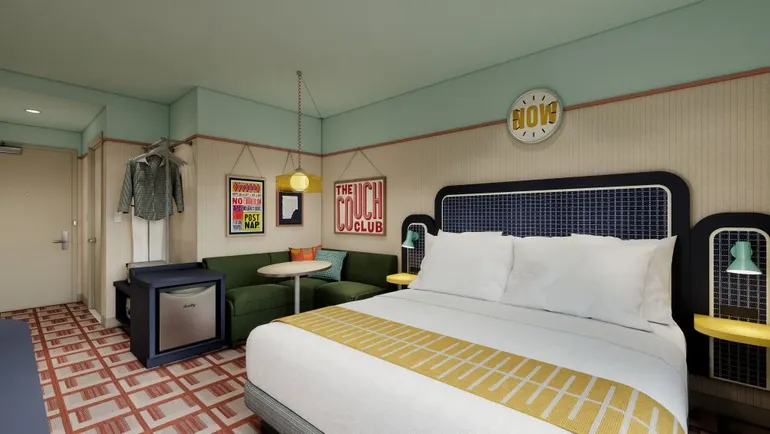
Hilton officially launched the mid-to-upper-scale brand Undergraduate by Hilton on Monday, aiming to deeply cultivate the college town market. CEO Chris Nassetta stated at the forum that the brand is expected to reach a scale of 400 to 500 hotels in the next one to two decades, serving as a complement and extension to Graduate Hotels.
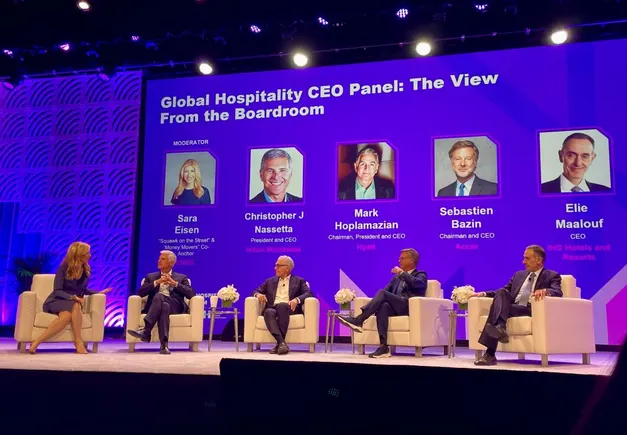
At the NYU International Hospitality Investment Forum held in New York, several hotel industry CEOs discussed the industry outlook for the remainder of 2026. Hilton CEO Chris Nassetta proposed the "C-shaped economy" hypothesis, while Stonebridge CEO Rob Smith expressed cautious optimism regarding World Cup bookings falling below expectations. Accor CEO Sébastien Bazin predicted that AI will replace approximately one-third to 40% of corporate jobs, whereas Hyatt CEO Mark Hoplamazian believes the impact will be smaller and emphasized that AI should enhance rather than replace humanized service.
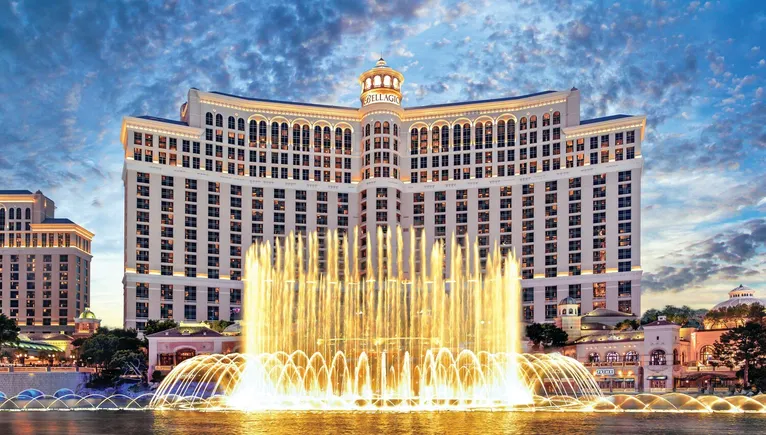
MGM Resorts International confirmed on Monday that it had received a privatization acquisition offer from People Incorporated, the media group led by Barry Diller. The deal values MGM at over $18 billion, with a cash offer of $48.30 per share, representing a 24% premium over the stock price on May 29. People Inc. currently holds 26.1% of MGM's common shares, and if the transaction is completed, its stake would slightly exceed 50.1%.

As the busy travel season approaches, the hospitality industry faces the dual pressures of rising costs and unstable demand. AI is seen as key to improving profitability, but most hotels' IT infrastructure is insufficient to support it. The article points out that hotels need to start with data integration and shift to a multi-cloud architecture, using efficient computing power to drive applications such as demand forecasting, labor optimization, and dynamic pricing, while also meeting data sovereignty and privacy compliance requirements.

A survey by Mews of more than 500 hotel properties worldwide shows that AI has become standard in hotel operations, but hotel operators have a clear understanding of AI's boundaries: 59% believe front desk and check-in should be human-led. Hotels with formal AI policies have a trust level of 92%, while those without policies have only 49%.
Hyatt Hotels Corporation announced on Wednesday the appointment of veteran executive Adam Rohman as head of the Americas, effective July 1. Rohman will succeed Pete Sears, who is retiring after nearly 40 years with Hyatt. Rohman previously served as Senior Vice President of Investor Relations, Global Financial Planning and Analysis, and Treasurer.