


Operations
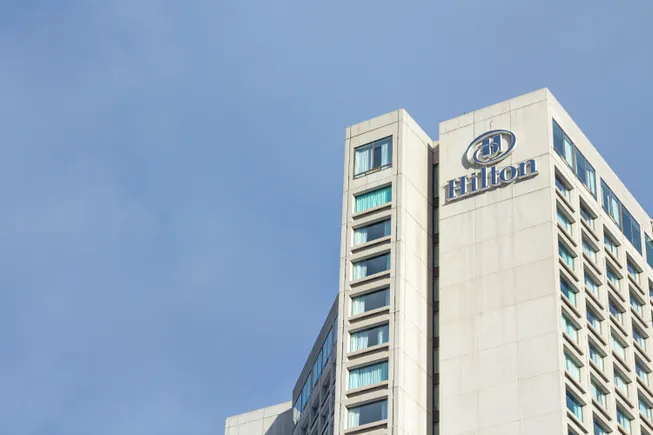
Hilton reported Q2 2026 results: system-wide RevPAR grew 3.9% year-over-year, with U.S. market growth of 5.4%. The company raised its full-year RevPAR growth outlook to 3%-3.5% and disclosed 42,900 new development rooms, marking the second-highest signing quarter in history. Management remains optimistic about the second half of the year.

As artificial intelligence technology matures and loyalty programs grow increasingly important to guests, hotel operators must quickly learn and adapt to industry evolution. In the first half of 2026, multiple industry leaders shared eight recommendations with Hotel Dive, ranging from IT infrastructure expansion to preserving human touch services, from data-driven personalization to design investments, helping hoteliers grasp key directions when reviewing their second-half strategies.
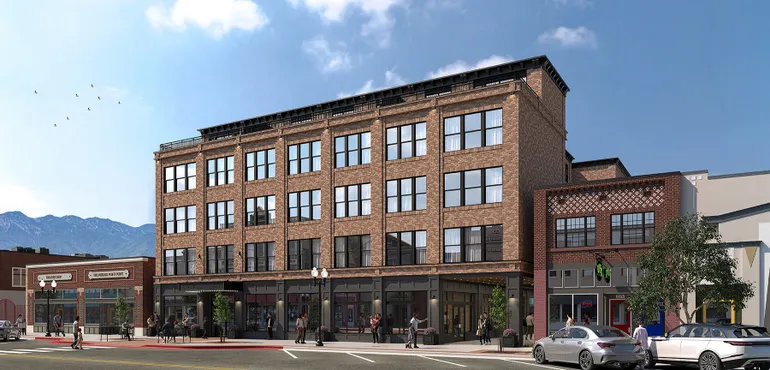
When RevPAR forecasts are weak, hotel owners should treat brand strategy as a key part of due diligence. The brand should begin in the early stages of development, connecting the owner's vision with execution, guiding operational and design decisions through authenticity rather than surface-level narratives, and addressing challenges of uncertainty.


This week's hotel industry updates: Travel + Leisure Co. announces the acquisition of Yes& Vacations and Spinnaker Resorts for a total of $343 million; Spire Hospitality appoints Richard Sandoval as new CEO; Peregrine Hospitality adds Hotel Yountville and Bardessono Hotel & Spa to its management portfolio.

Hilton and ResortPass announced a three-year extension of their existing partnership to meet growing consumer demand for flexible wellness experiences and restorative getaways near home. The collaboration will expand access to daytime facilities such as hotel pools, spas, and fitness centers, and introduce a new event series called "Off Hours."

With the share of the US population aged 65 and over projected to rise to 23% by 2060, the accessibility challenges facing the hotel industry are increasingly prominent. Experts say ADA compliance is only the minimum standard, and a true accessibility experience needs to cover booking, guest rooms, bathrooms, and entire property systems. This article brings together insights from multiple industry experts, exploring how hotels can seize the high-spending, high-loyalty older traveler segment through low-cost improvements and staff training.
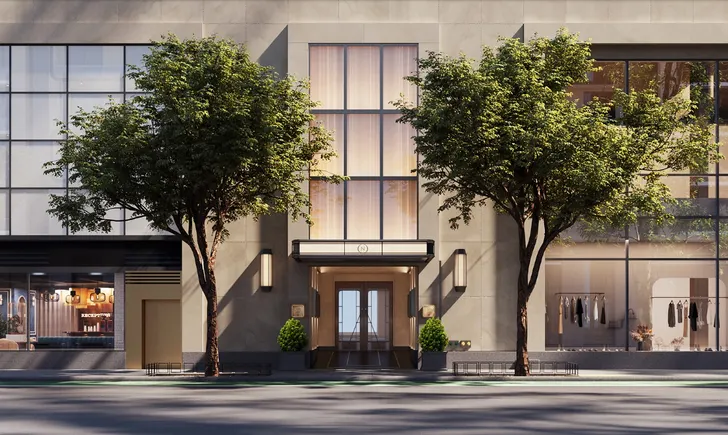
This week, the hotel industry saw several major developments: European hotel operator Fattal Hotel Group completed its first acquisition in the United States; Hilton partnered with Reuben Brothers to bring W South Beach under the Waldorf Astoria brand; Amsterdam-based software company Mews announced a 15% workforce reduction to advance its AI-native strategy. Additionally, Choice Hotels added CVS Health executive Ali Keshavarz to its board, Aspen Hospitality launched a new luxury brand called Nell Hotels, Ascendant Capital Partners acquired an eight-hotel portfolio in the Southeast, and Beechwood Hospitality completed a merger with MMI Hotel Group.
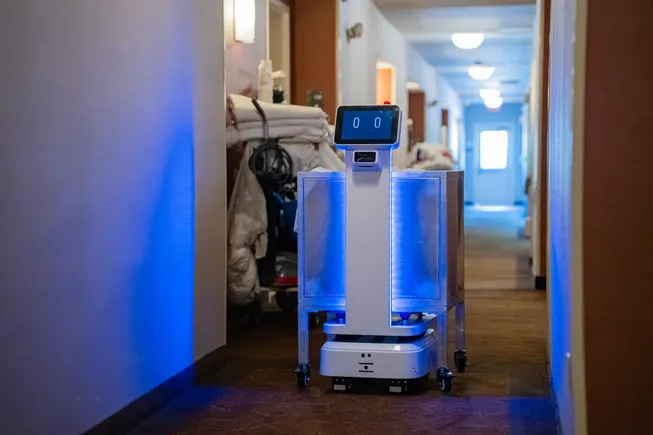
In the first half of 2026, the hospitality industry is accelerating its adoption of emerging technologies, from AI-driven room service to smart energy management, which are profoundly transforming operational efficiency and guest experiences. This article outlines 6 key solutions and industry insights.

Mews cuts 15% of staff, pivoting to an AI-native strategy. The founder stated the company is in a 'very strong position,' and the layoffs are a proactive decision aimed at adapting to the fundamental changes AI brings to the hotel industry's economic model.